

Idle Stock Evaluation Service
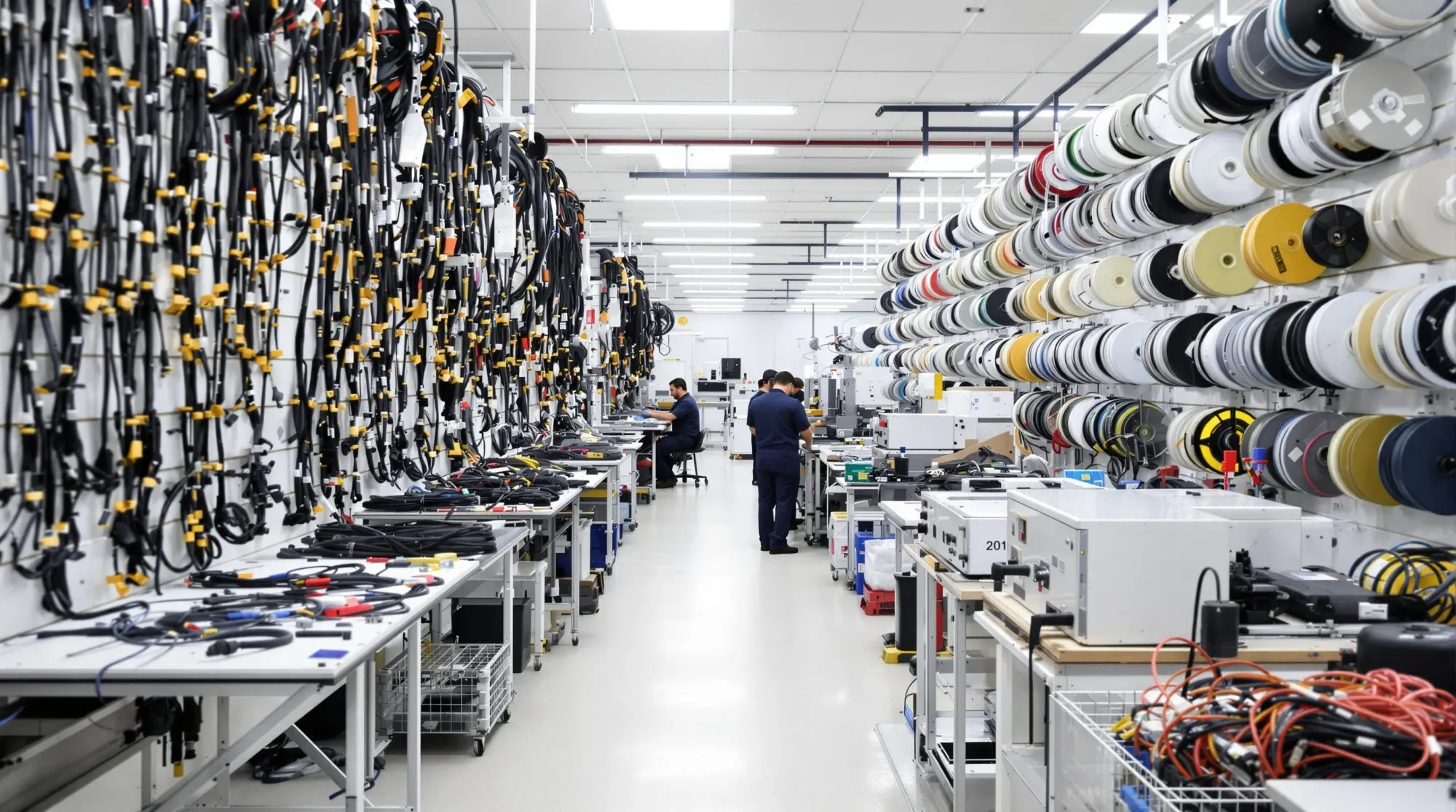
Turning stock that has long gone unused, unsold or without demand from a cost into value: why idle stock builds up and how it can be put to use.
What is idle stock?
Idle stock consists of products, materials or raw materials a business holds but has not used, sold or seen demand for over a long period. This stock takes no active part in trade and creates a cost for the business.
How does it build up?
- Inaccurate demand forecasting: when demand is not predicted correctly, more is produced or purchased than needed, and stock is left on hand over time.
- Product life cycle: when a product ages or goes out of fashion, demand falls. If stock has not been used up, it becomes idle.
- Slow-moving products: some products sit in stock for long periods because they fall outside general demand or have low sales volume.
- Seasonal products: seasonal goods are left over when the season ends and can stay idle until the next one.
- Supply chain problems: disruptions in the supply chain.
How can it be put to use?
Evaluating idle stock lets a business shed costs and use its resources more efficiently. Strategies include:
- Discounts and campaigns: one of the fastest ways to clear idle stock is to discount these products or run campaigns. End-of-season sales are often used for this.
- Bundling: low-demand products can be sold bundled with popular ones, offering the consumer added value.
- Recycling or remanufacturing: especially for raw-material based goods, idle stock can be recycled and returned to production.
- Donation: idle stock can be donated to organisations in need. This creates a positive impression in terms of social responsibility and can bring tax advantages.
- Second-hand markets or sales platforms: selling products at reduced prices on second-hand or stock-clearance platforms is another route.
- Reviewing purchasing strategy: stock management processes and demand forecasting methods can be improved to prevent idle stock forming in future.
- Identifying the causes of idle stock
- Discounts, campaigns and bundling
- Recycling and remanufacturing
- Improving stock management processes