
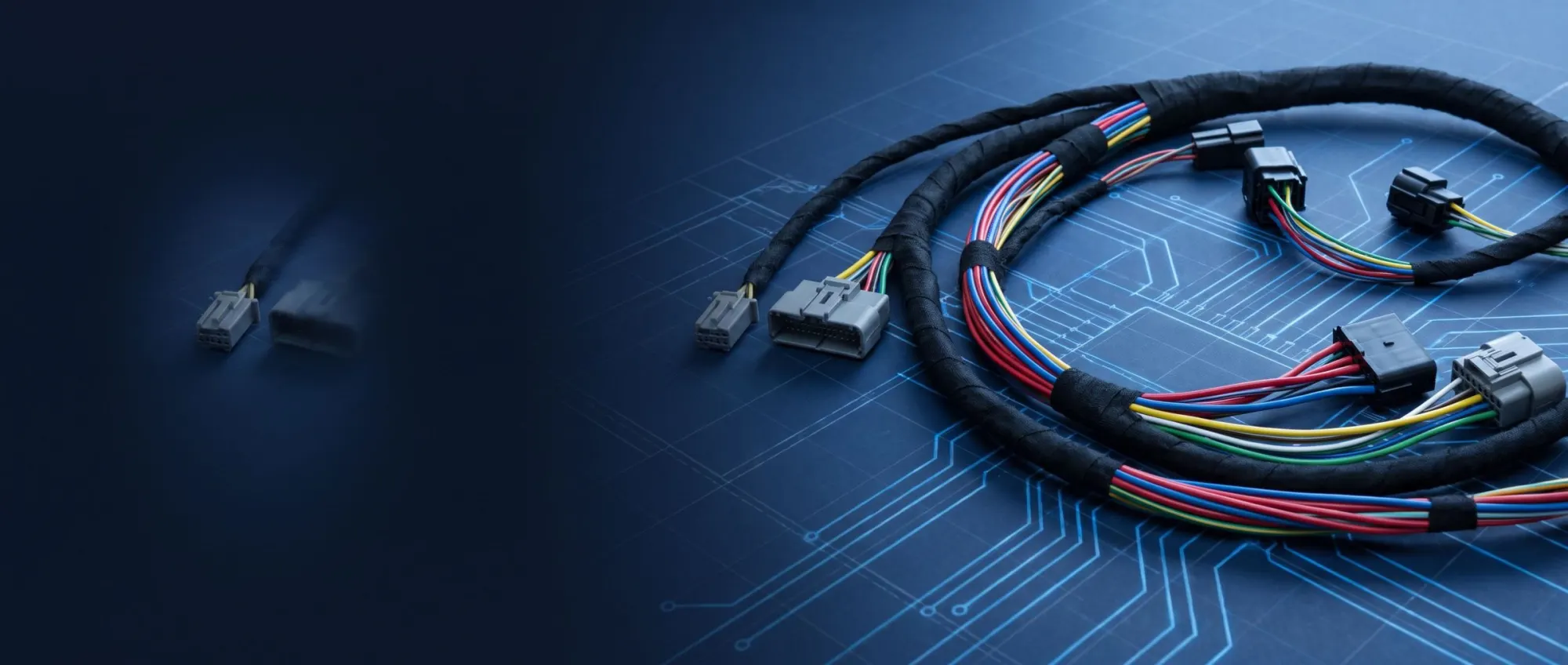
Battery and Power Transfer Cables
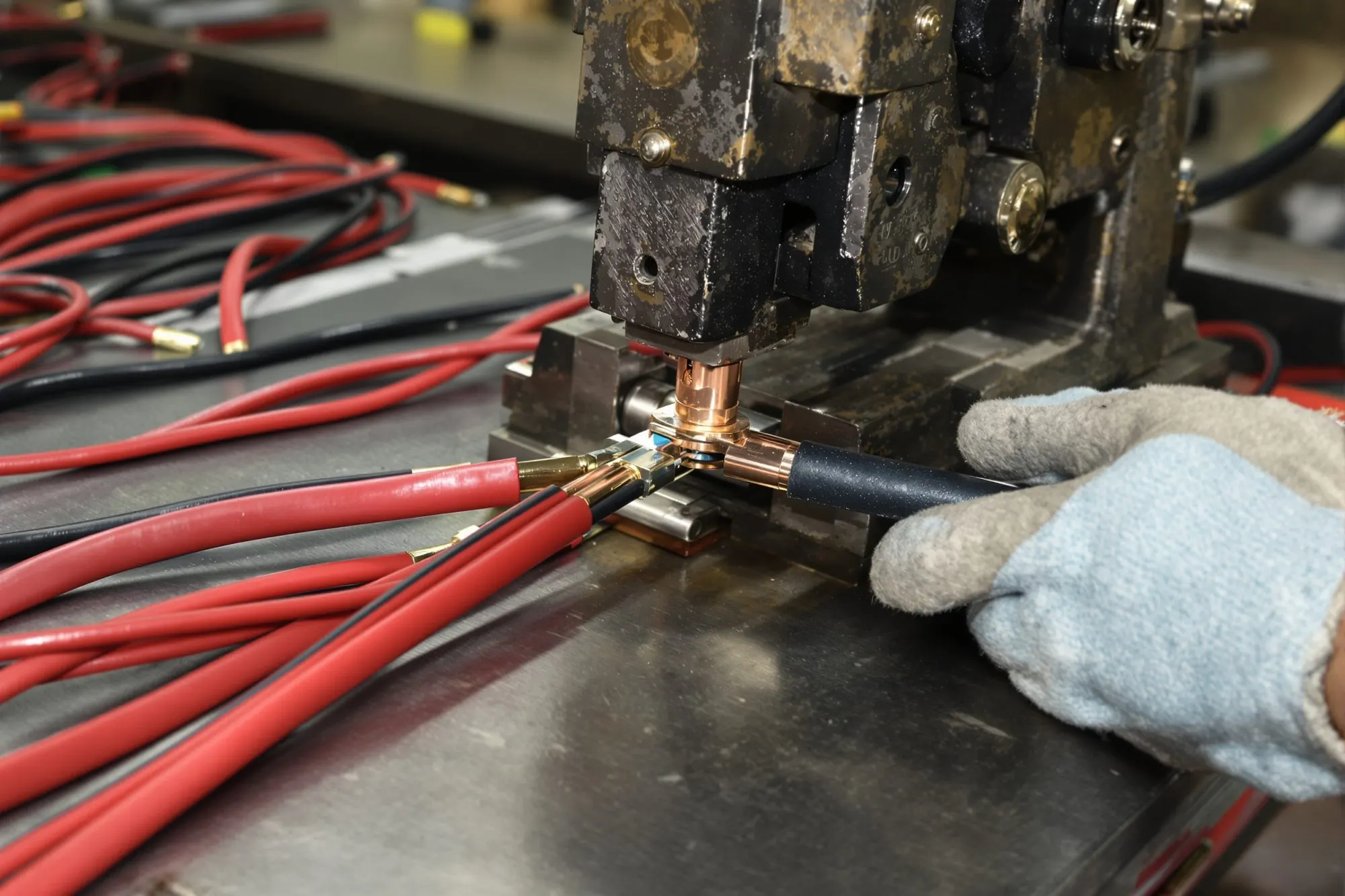
High-current cables carrying energy between the battery, starter, alternator and electric drive systems, with heavy-gauge copper or aluminium conductors and heat-resistant insulation.
Battery and power cables are critical automotive components with high current capacity that keep a vehicle's electrical systems working reliably. They carry energy between the battery, motors, alternators, electric drive systems and other components with high power demand. Durability, low resistance and safety are therefore central to how they are produced.
Key properties
- High current capacity: battery cables have to carry large currents. They are usually made from heavy-gauge copper or aluminium conductors, which offer low resistance and high conductivity.
- Low voltage drop: high conductivity keeps voltage drop to a minimum, which is critical when the engine is first cranked.
- Heat and chemical resistance: cables are built to withstand the high temperatures and aggressive chemicals of the engine bay. Silicone, XLPE (cross-linked polyethylene) and PVC are used for insulation.
- Flexibility and durability: flexible conductors make installation easier and extend service life; fine-stranded copper cable provides that flexibility.
Production process
1. Material selection
Copper is the most widely used conductor material, offering low resistance and high current capacity. In some applications lighter conductors such as aluminium are used to reduce weight. The insulation must resist both heat and environmental conditions: silicone, PVC, XLPE or rubber-based materials are selected.
2. Conductor manufacture
Conductors are generally made of copper or aluminium wire bundles. Stranded constructions increase flexibility while being more durable and carrying more current than solid conductors. The wires are first drawn through dies to the required diameter and thickness.
3. Insulation
Insulation is extruded around the conductor according to the chosen material. This makes the cable resistant to temperature, abrasion, chemicals and moisture, and protects it against electrical faults and short circuits.
4. Cable testing
After production, cables go through electrical continuity and resistance tests, thermal endurance tests, mechanical tests (bending, tension, impact) and environmental tests (humidity, chemicals, corrosive substances).
5. Cutting and connector assembly
Cables cut to length are fitted with special connectors or cable lugs to simplify installation in the vehicle. These connectors keep the link between battery terminals and electrical components secure and solid.
6. Final assembly and packing
Cables are made ready for installation; after quality control they are packed and prepared for shipment.
Applications
- Starting systems: the current needed to crank the engine is carried by the battery cable.
- Power distribution: energy transfer between battery and alternator runs through these cables.
- Electric vehicle systems: in electric and hybrid vehicles they carry energy between the battery and the motor.
- High-performance and commercial vehicles: these vehicles need thicker, more robust power cables.
Advantages
- High conductivity minimises energy losses.
- Heat and abrasion resistant insulation gives long service life.
- Flexible, easy installation speeds up production and maintenance.
- Reliability and safety prevent faults in vehicle electrical systems.
- Heavy-gauge copper or aluminium conductor
- Silicone, XLPE and PVC insulation
- Cable lug and connector assembly
- Electrical, thermal, mechanical and environmental tests