
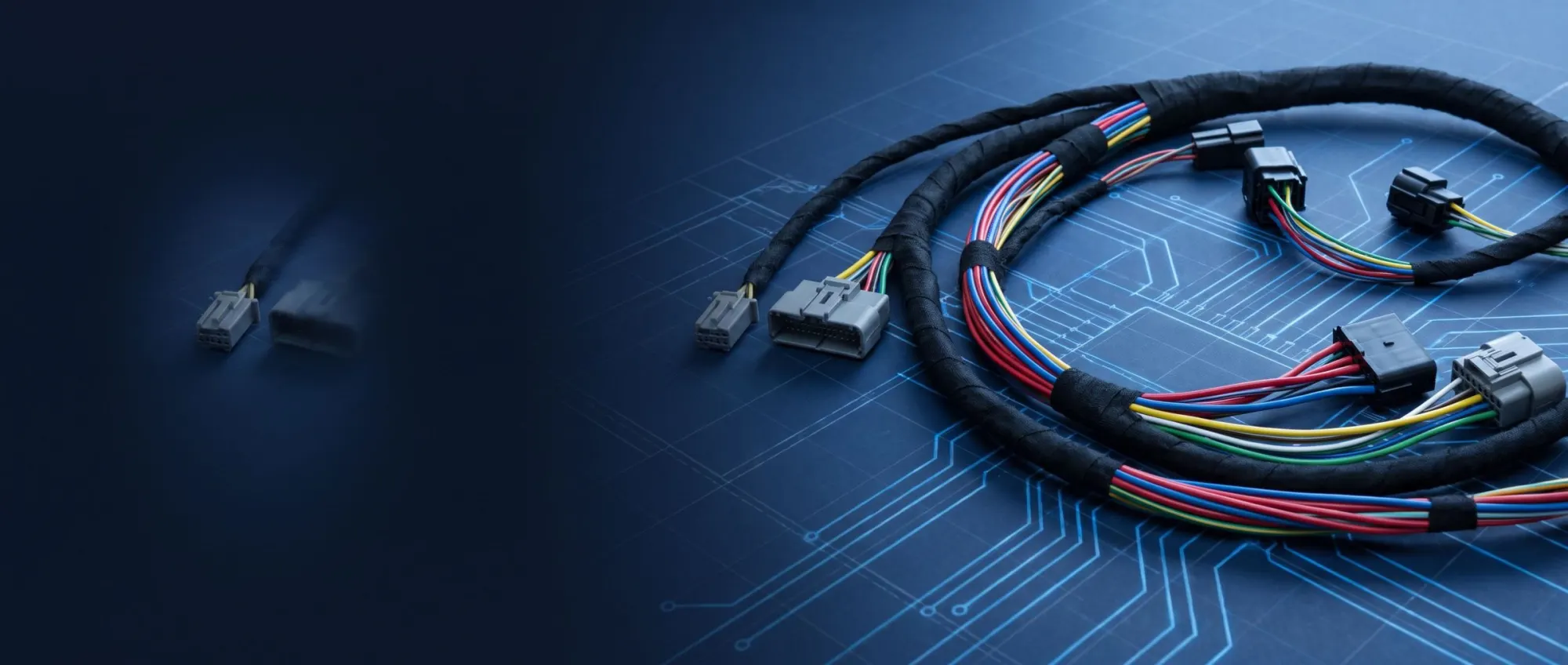
Automotive Cable Production
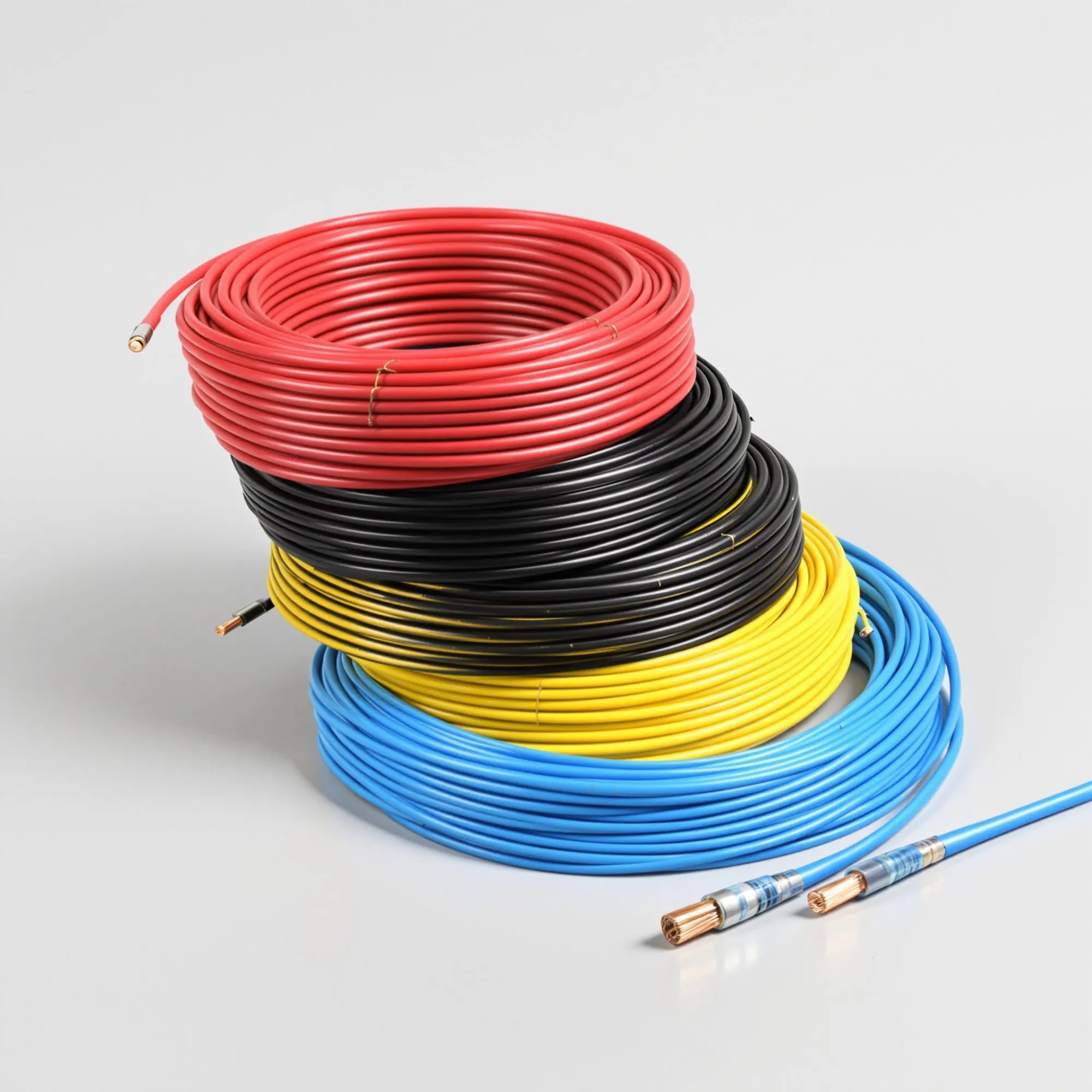
Cable in different standards and types for vehicle electrical connections: ISO 6722, JASO D611, SAE J1128, LV112; PVC, XLPE, PTFE, silicone, double-insulated and fibre optic.
Automotive cable is critical for making electrical connections and running the systems in a vehicle. It is produced to different standards and in different types, because vehicles place high demands on both safety and performance.
Automotive cable standards
- ISO 6722 (road vehicles, low-voltage cable): applies to the low-voltage cable used in the automotive sector. It defines properties such as temperature resistance, flexibility, abrasion resistance and voltage drop.
- JASO D611 (Japanese automotive standards): developed for cable used in the Japanese automotive industry; it governs flexibility, temperature endurance and performance properties.
- SAE J1128: used in the US automotive sector, this standard governs the physical and electrical properties of in-vehicle cable, with detail on cable material, insulation properties and voltage endurance.
- LV112 (German automotive standards): adopted by German vehicle manufacturers, it sets the performance criteria for cable used in vehicles.
Automotive cable types
- PVC insulated cable: insulated with polyvinyl chloride, this is a low-cost and widely used type, with limited endurance at high temperatures.
- XLPE (cross-linked polyethylene) insulated cable: resistant to high temperatures and used especially in the engine bay and other hot environments. It offers low voltage loss and good electrical properties.
- PTFE insulated cable: withstands high temperatures (200 °C and above) and aggressive chemicals, and is used in demanding environments.
- Silicone insulated cable: works between -50 °C and 200 °C thanks to its silicone insulation. Being flexible and durable, it is preferred around the engine and electrical components.
- Sleeved cable (loose or tight tube): protected with additional outer coverings against extreme environmental conditions, guarding against extreme temperature, moisture, chemicals and mechanical damage.
- Double-insulated cable: has a two-layer insulation system, typically PVC inside with XLPE or rubber outside. Used where durability and safety are required.
- Fibre optic cable: used for data transmission in modern vehicles, providing high-speed data transfer. Being insensitive to electrical interference, it is used for multimedia systems and sensor data.
These standards and cable types are chosen according to the electrical requirements of each part of the vehicle. High-temperature cable is used in the engine bay, for example, while multimedia systems call for cable that meets low-voltage and fast data transmission requirements.
- ISO 6722, JASO D611, SAE J1128, LV112
- PVC, XLPE, PTFE and silicone insulation
- Double-insulated and sleeved cable
- Fibre optic for data transmission